


Early Operational Findings Suggest Reduced Ankle Injury Risk During High-Demand Training
AUTHOR: Daniel Peña, DAT, LAT, ATC, PTA
Musculoskeletal injuries remain one of the most persistent readiness challenges across military training environments. Ankle sprains, in particular, can disrupt training throughput, increase administrative burden, and contribute to avoidable attrition during physically demanding programs.
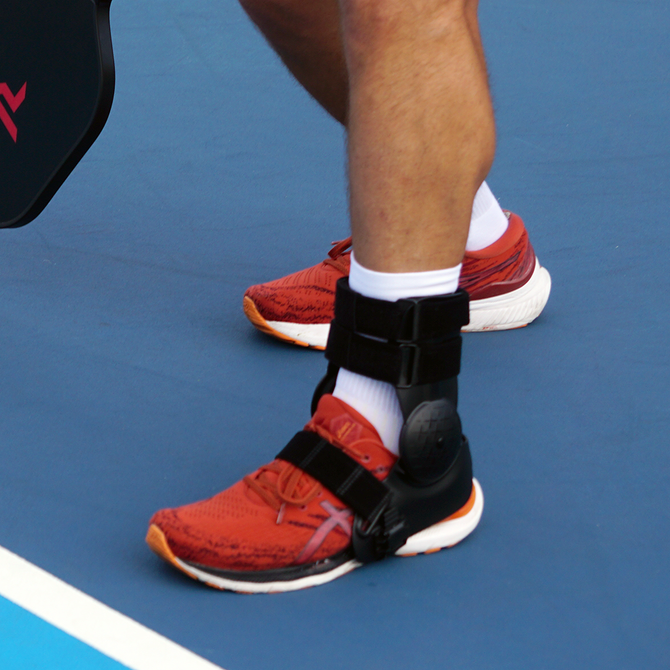
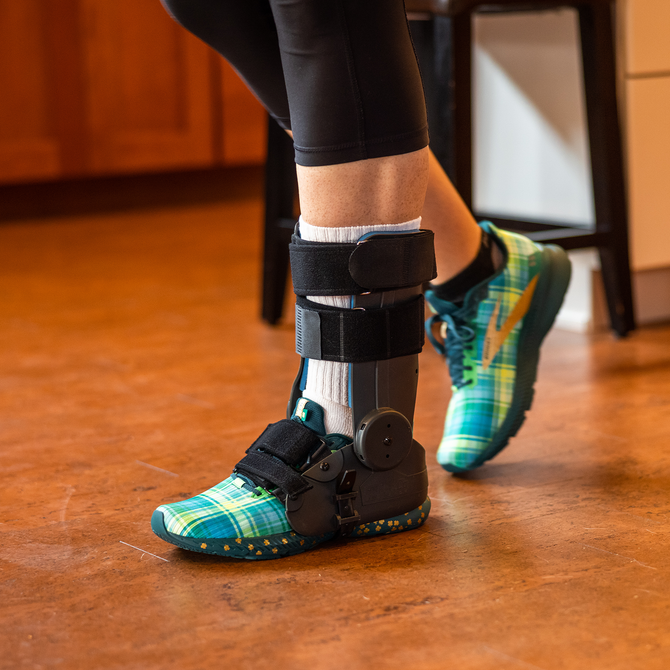
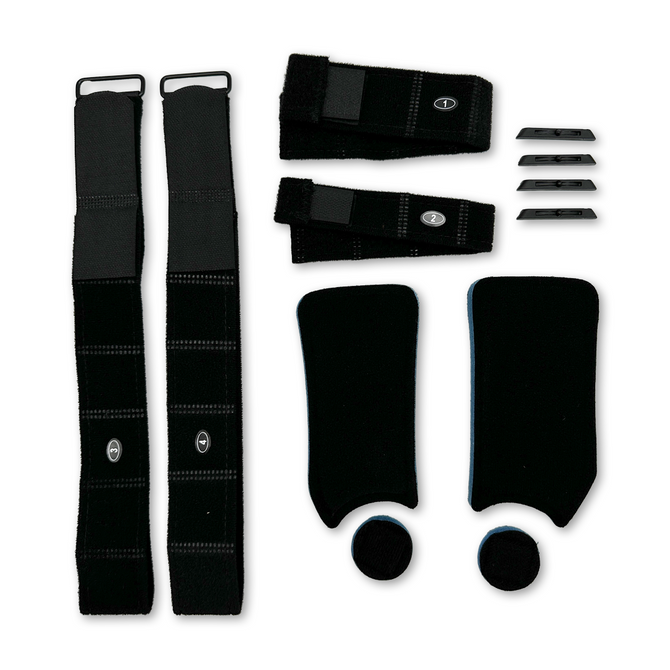
A recent operational pilot involving Security Forces trainees evaluated whether prophylactic use of the TayCo CombatX Brace could help reduce ankle injuries during high-exposure training conditions.
Pilot Overview
The pilot included 30 Security Forces trainees using the CombatX Brace alongside a similarly sized control group training under standard conditions.
Training was conducted over an 8-week period consisting of:
- Two training days per week
- Minimum 8-hour training days
- Six training iterations
Operational activities included:
- Running
- Rucking
- Movement across uneven terrain
- Exposure to rocky surfaces, gopher holes, and soft sand
- Nighttime training conditions
The evaluation focused on operationally relevant environments where ankle instability and inversion injuries commonly occur.
Key Findings
Zero Ankle Sprains in the TayCo Brace Group
No ankle sprains or ankle-related injuries were observed among trainees using TayCo Brace during the pilot period.
By comparison, the control group experienced:
- 3 Grade I ankle sprains
- Multiple training interruptions
- Reduced participant continuity during the training cycle
Injured Personnel Returned to Training After Transitioning to TayCo Brace
At least two trainees who experienced ankle sprains in the control group were transitioned to the CombatX Brace and were subsequently able to complete training.
This observation may suggest a potential role for bracing not only in prevention, but also in supporting continued participation following mild injury events.
High User Confidence and Compliance
Participant feedback showed strong operational acceptance:
- 93% reported confidence in ankle stability while wearing the brace
- Low perceived restrictiveness during movement-intensive activities
- Strong compliance across extended training exposure
The pilot accumulated more than 100 hours of operational exposure under demanding field conditions.
Operational Readiness and Cost Avoidance Considerations
Training interruptions caused by ankle injuries can create downstream impacts including:
- Washbacks and retraining cycles
- Increased instructor workload
- Administrative processing requirements
- Reduced training throughput
- Temporary reductions in force readiness
In this pilot, 3 injuries occurred within a control cohort of 30 trainees, while no injuries occurred in the TayCo Brace group.
While additional evaluation is warranted, even partial reductions in injury incidence during training environments may translate into measurable cost avoidance and improved operational continuity.
Conclusion
This pilot provides an early operational signal supporting the prophylactic use of the TayCo CombatX Brace during physically demanding military training.
Across more than 100 hours of operational exposure:
- Zero ankle sprains were observed in the TayCo Brace group
- Injured trainees were able to complete training after transitioning to the CombatX Brace
- Participants reported strong confidence and low movement restriction
Expanded evaluation is recommended to further quantify injury reduction, training retention impact, and potential readiness-related cost savings within Department of Defense training environments.


